Why We Chose the Hard Road
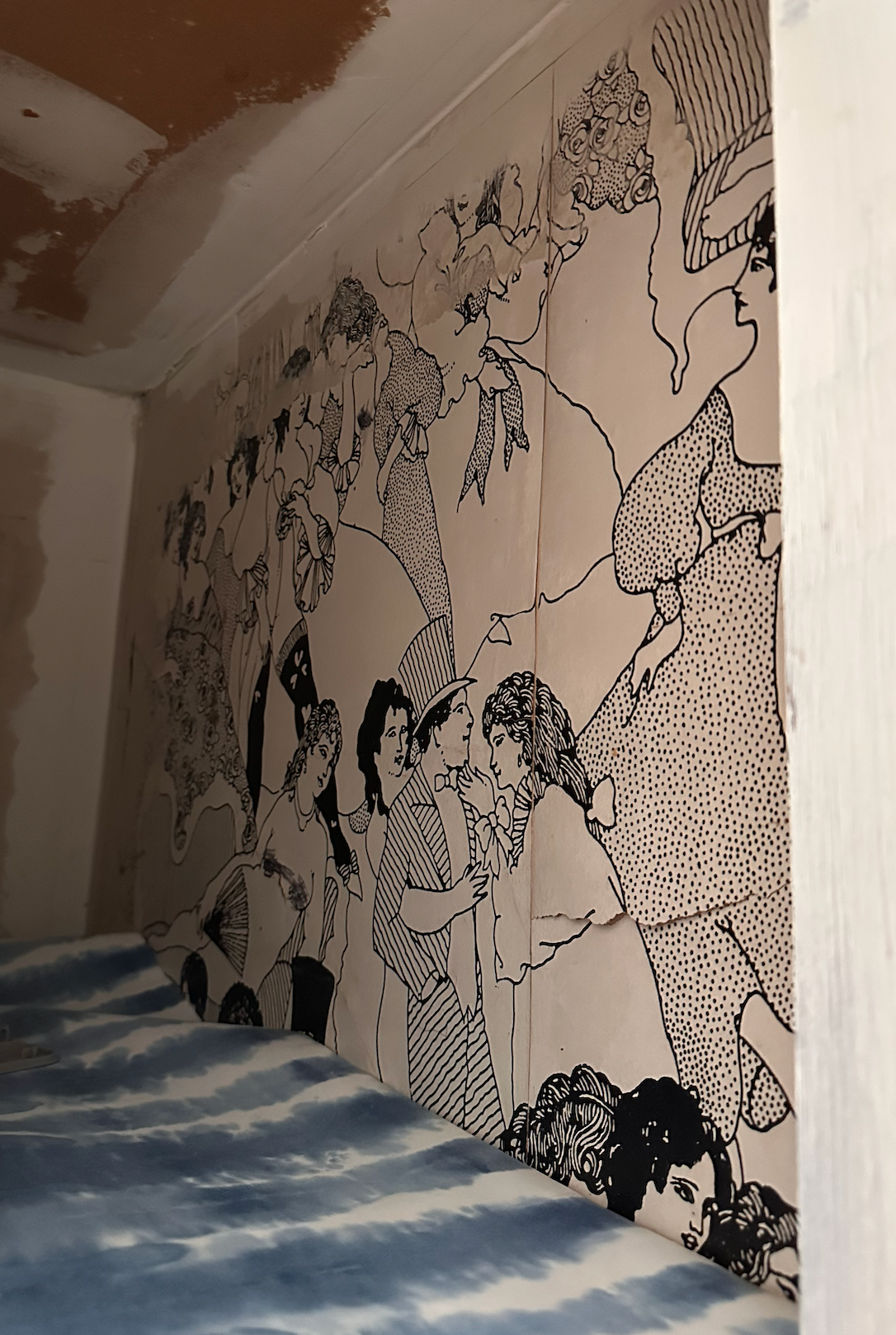
People keep asking us: “What is the latest with your renovation?”
Here's the thing—we're not breaking ground on the addition until summer 2026, And even then, we're looking at more than a year before you'll see the polished, beautiful spaces you're probably imagining. It’s important to know that remodeling projects take a long time. If you are considering your own, you can never start early enough. It’s good to engage your dream team, including an interior designer a full year before you intend to have your space complete.
But let me back-up and answer the question I get even more often:
"Why didn't you just buy a move-in ready house? Or build new?" Why did you pick that house verses just building a new one?
What We Saw That Others Didn't: A House with Good Bones
When, my husband, Matthew and I walked through this 1920s brick home for the first time, most people would have run. No central air. Outdated plumbing. A basement that felt like something out of a horror movie.
But we saw timeless, quality construction that simply doesn't exist in new builds today.
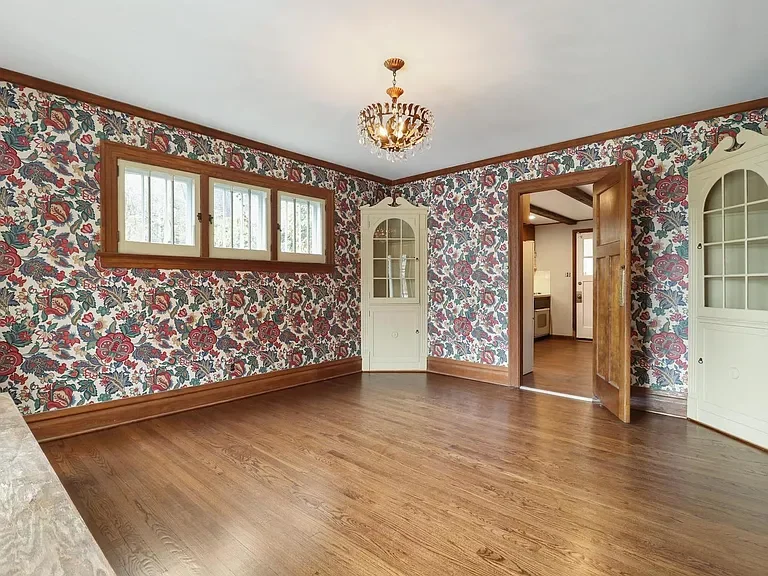
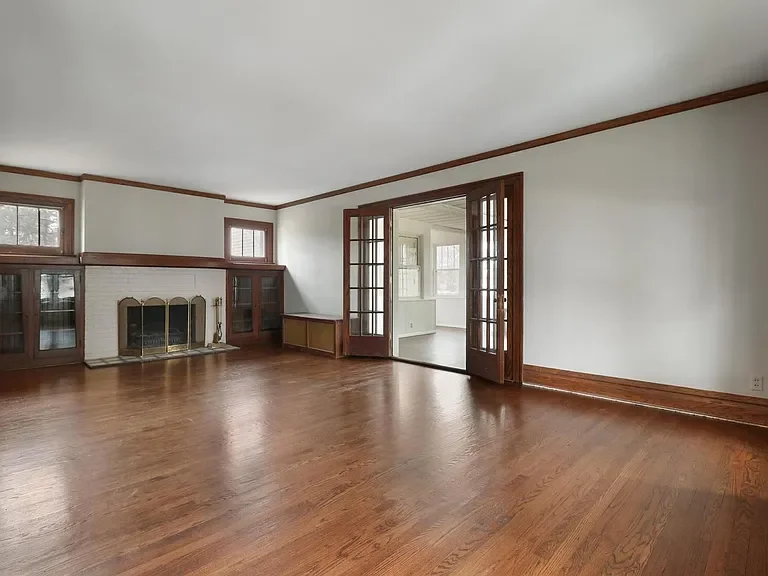
Homes built in the 1920s were crafted by artisans who made building their life's work—not a side hustle or a quick flip. Every wall is solid plaster. Every floor is genuine hardwood. The house is constructed entirely of brick, built to last generations. That kind of craftsmanship can't be replicated easily today, even with an unlimited budget.
What “Good Bones” Actually Means
When I say a house has good bones, here's what I mean:
Thoughtfully proportioned rooms.
Modern homes often feature massive spaces that feel uncomfortable to actually live in. Conference-room-sized dining rooms. Walk-in closets the size of bedrooms. But do we really need a closet so large it causes decision fatigue every morning? I see this with my clients who have extremely large homes—their favorite rooms are often the smallest ones because this is where they feel cozy and comfortable.
Strategic window placement.
The way windows are positioned in homes with good bones creates incredible cross breezes and natural light. Good natural light is one my most favorite features in any home.
A layout that encourages connection.
Within months of moving in, my son said something that stopped me in my tracks: "Mom, I feel more at home here than I ever did at the other house”
We'd lived at our previous home for eight years and remodeled every inch. This house was dated and tired, but he could feel the possibility—the good bones that would fit our family well.
Even our kids' new room locations has created unexpected sweetness. My teenage son and youngest daughter now share a bathroom, as well as a closet, and they've gotten so much closer. Late at night when they're getting ready for bed, they're chatting and laughing together. Those little moments of connection are building relationships for a lifetime.
I once designed separate massive bedrooms with individual on-suites and individual playrooms for two elementary-aged siblings, and it made me genuinely sad. Yes, they had everything they could want materially, but they were missing out on those shared experiences and late night memories.
Why This Isn’t a DIY Project
Let me be crystal clear: the average homeowner should absolutely not do what we're doing.
Our neighbors told us they were relieved we bought this house because they were terrified some well-intentioned buyer would get in over their heads, spend money on all the wrong things, and either abandon the project or tear down something irreplaceable.
Unless you have a partnership where both people bring serious expertise—construction knowledge paired with design skills and project management experience—this isn't realistic. We're not doing this as homeowners. We're doing this as Sarah Coe Design taking on a passion project. We manage complex, multi-million dollar renovations from conception to completion.
We have the expertise, the vendor relationships, the systems, and the patience for the chaos.
The Unsexy Reality
We immediately spent $35,000 on air conditioning alone—a space pack system designed specifically for historic homes. Not a fun reveal, but absolutely essential in the middle of the summer. Another $10,000 to run a new plumbing line to the street. Updating all the knob-and-tube electrical so we don't have a fire in our walls, several more thousand.
We're nearing $400,000 in renovations—close to what we paid for the house—and if you walked through right now, you'd probably think we haven't done much at all.
Most people would want to start with the kitchen because it's the most impactful room. That's usually what I'd advise clients to do as well. But we started with the basement instead—because when we eventually tackle the main level kitchen and addition, we'll need a fully functional space to live in downstairs. Strategic sequencing matters when you're living through a renovation.
Moments of Doubt
I won't sugarcoat it—there have been many moments I questioned everything. Like the day I walked into the basement and found water streaming from a radiator pipe in the ceiling. The whole scene felt like something out of The Money Pit. Water is scarier than almost any other home issue because you can't control it—it's relentlessly destructive.
Our oldest daughter willingly slept in that unfinished, creepy basement for months because she's amazing, as we planned out how to design the space. When we finally renovated the basement, she slept on her sister's bedroom couch for four months before leaving for college.
These are the war stories nobody puts on Instagram.
What We’re Really Saving
When builders wanted to scrape this lot and start over, they weren't wrong from a pure business perspective—it's a great lot in a great location. But we're preserving something that, once gone, is gone forever. This house has character and soul that you simply cannot build from scratch.
We're also honoring our values. Matthew and I come from a long line of small business owners who believe in stewarding resources well and preserving what's special. Sometimes having a little less square footage but more character is actually better then new and shiny.
Why We’re Suited for This
Because this is what Sarah Coe Design does. We're not just a decorating firm. We manage full-scale construction projects. We know when to invest in infrastructure versus finishes. We can walk into a disaster and envision not just what it could be, but exactly how to get there and what it will realistically cost.
I bring over 20 years of experience in design and in the past 10 years construction management and design. My team handles everything from architectural planning to contractor coordination to the thousands of micro-decisions that make or break a project. We've built relationships with skilled trades who do exceptional work.
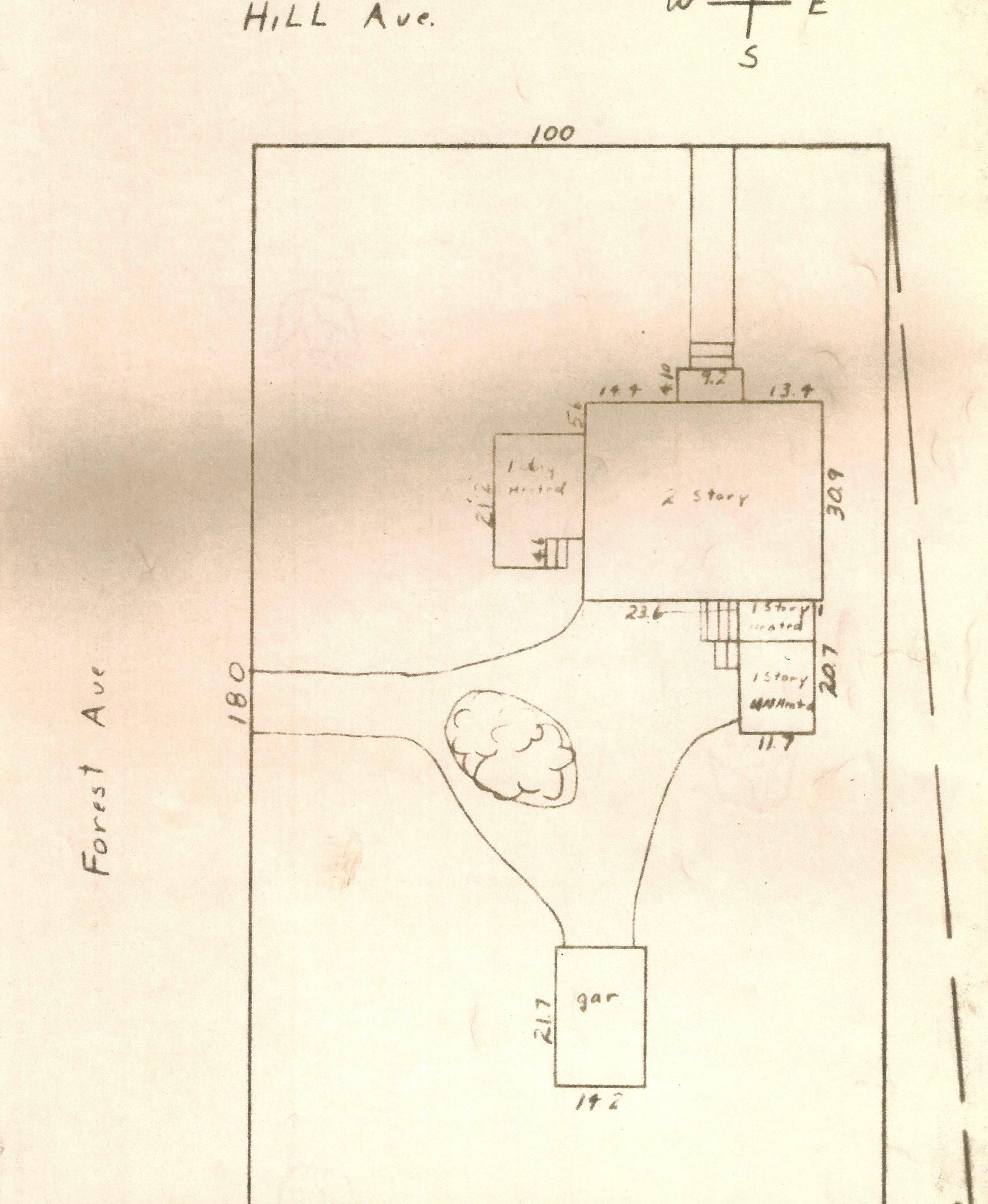
Most importantly, we understand phasing. You can't do everything at once, and not everything needs to be done at once. Right now, we're hosting 50+ kids monthly for youth group in our backyard—even though we haven't done the landscaping yet. The kids don't care. They just need a place to be together. That's what matters right now.
What’s Coming
We're going to share this journey authentically—the horrific things we find behind walls, the unexpected problems, the budget reality checks, the beautiful transformations when they finally happen. But this isn't going to be quick.
Stay tuned for teasers about some of the wild discoveries we've made. We're willing to disclose the ups and downs because the real story isn't just in the before-and-afters. It's in everything that happens in between.
Anything really good that matters takes time. The dream spaces will come—just not next week or next month.